I built a 3D history game in three days. What did it teach me about briefing AI?
By Nicola Sirchia. Published . 3 minute read.
The short answer
Between 11 and 13 November 2026 I built a 3D game about the Scottish Wars of Independence that runs in a browser, on a computer or a phone, with nothing to install. I'm a marketer, definitely not a game developer. An AI wrote the code and I directed it. The tool gave me the speed, and the quality came from the brief, the standard I set and a lot of checking, which is the same work a marketing leader does every day.
You can play it at scozia-ak8.pages.dev.
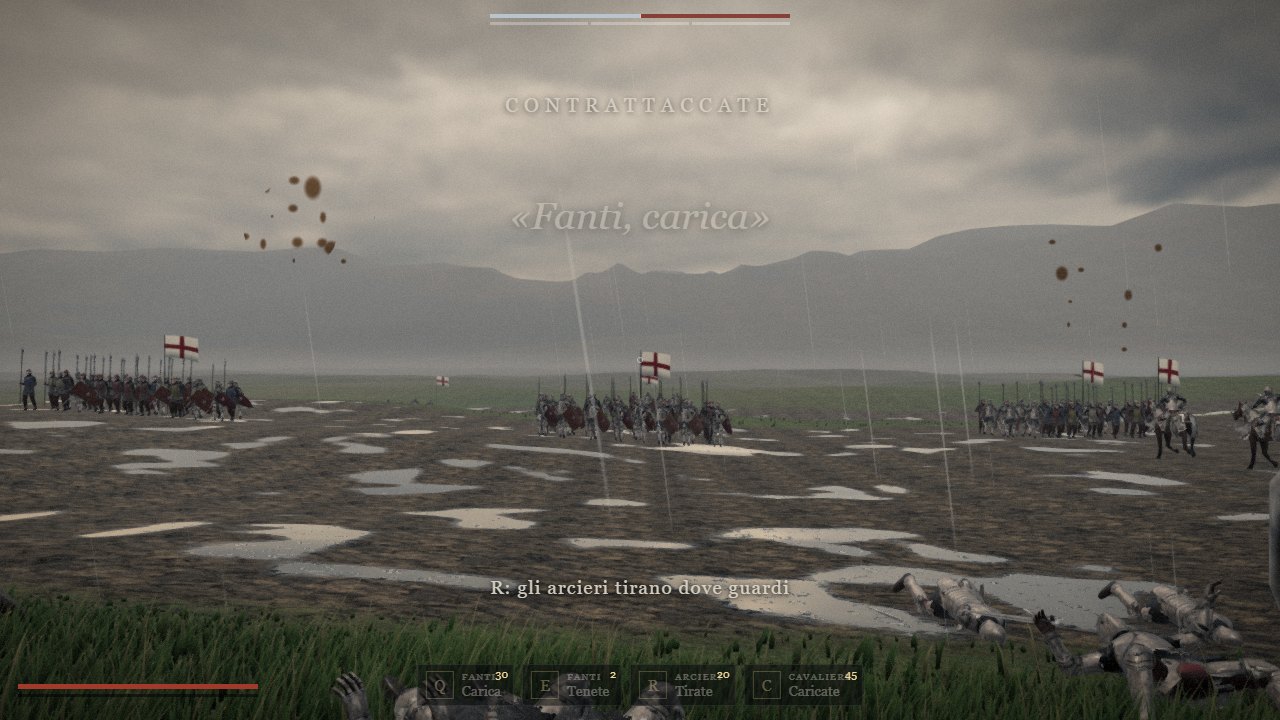
What is in the game?
| Episode | What you do |
|---|---|
| Bannockburn, 24 June 1314 | You fight in first person in Robert the Bruce's army, sword in hand, with about 600 soldiers on the field |
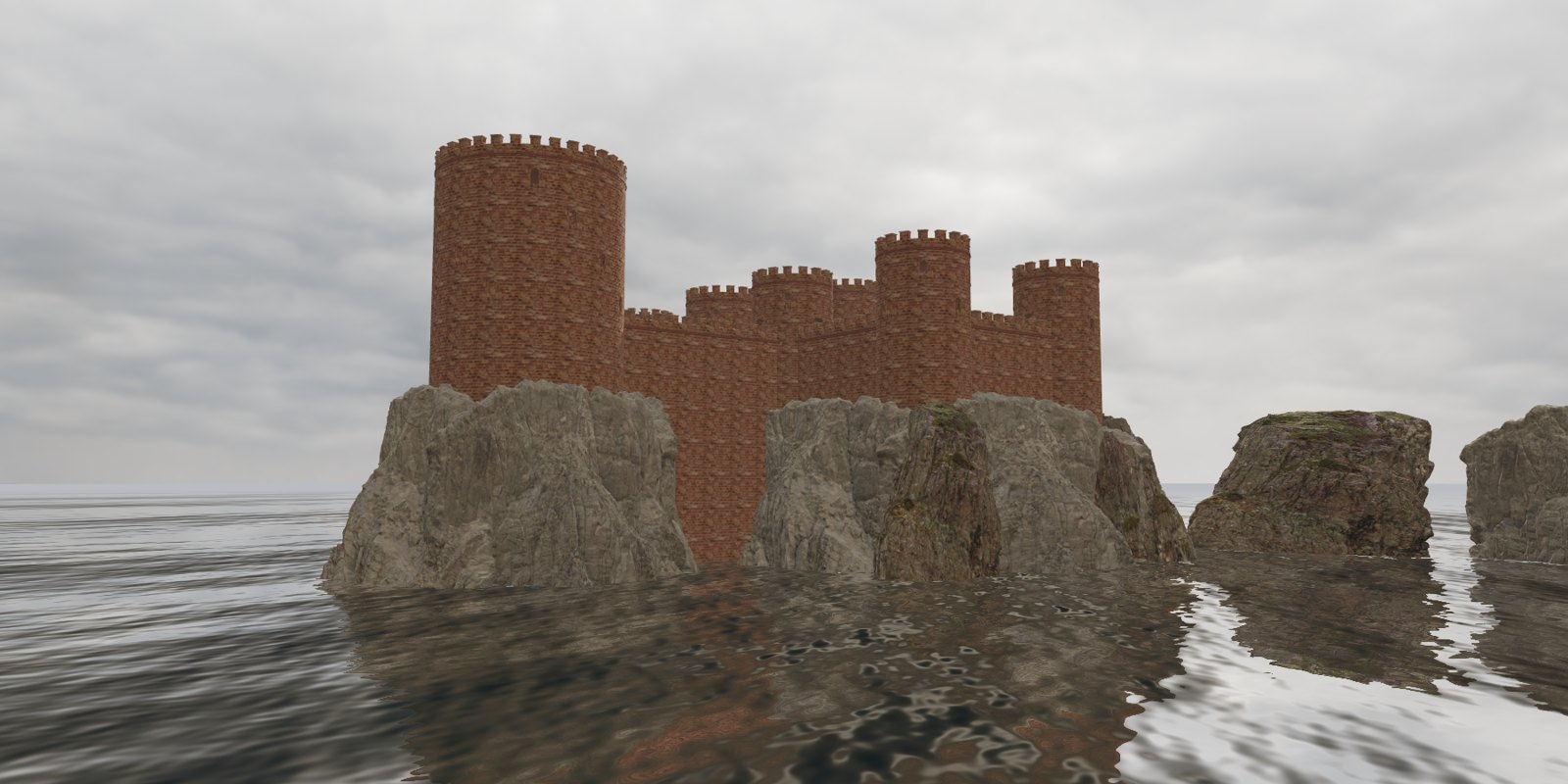
| Dunbar, January to June 1338 | You hold the castle with Agnes Randolph through eight moments of the siege, about 15 to 20 minutes of play |
Before the battle you choose one of five formations, and the choice changes how the fight goes. A narrated prologue explains what is at stake, in Italian and in English.
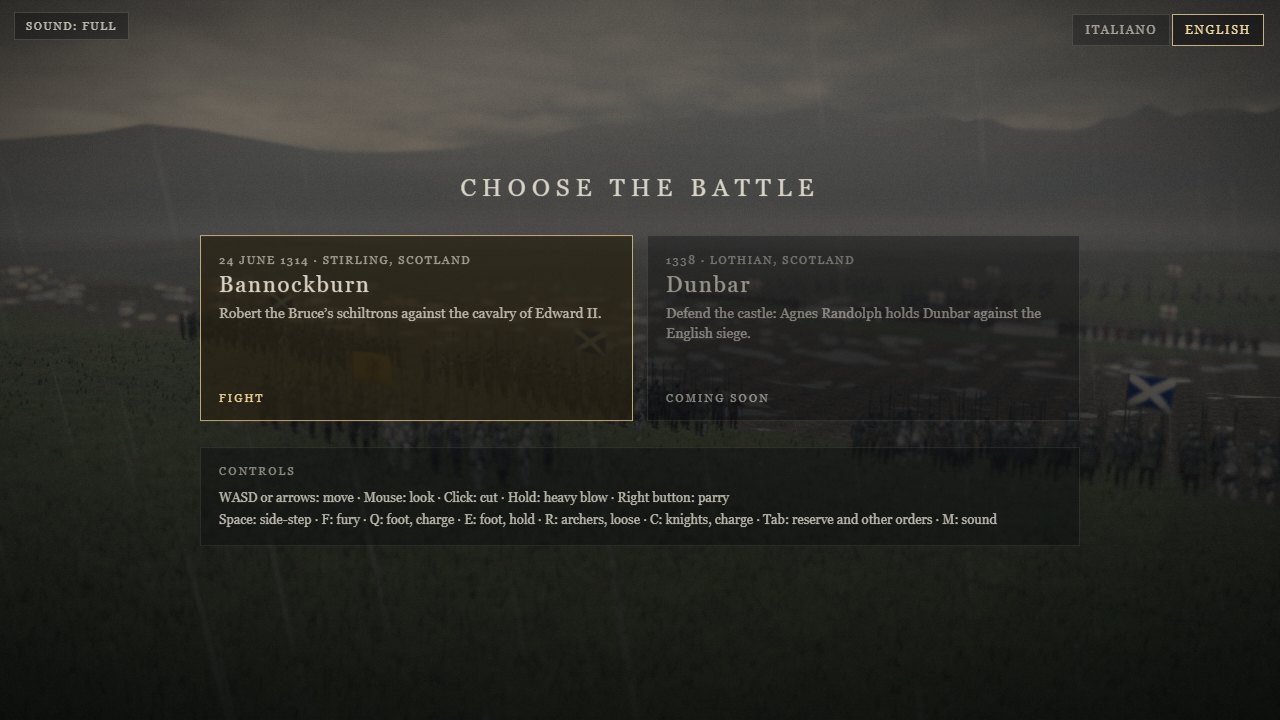
Lesson one: brief the AI the way you brief an agency
I never asked for "a game". I described the story, the moment, what the player should feel, and what was not good enough yet. A vague brief gave me a vague result, exactly as it does with people.
Lesson two: the truth is a feature
Every historical fact was checked against medieval chronicles and modern historians, with a confidence level for each one. Where the sources give no numbers for the armies, the game does not invent them. Where the game takes a liberty, such as later armour, it says so on the final screen.
This is the discipline brands need for their claims. A machine, like a customer, trusts what it can check.
Lesson three: the hard parts are the ones nobody sees in a demo
The project has about 17,000 lines of code, and 59 automated test tools behind it. An automatic player runs whole matches to check that they finish without errors. Nearly 100 licences for models, sounds and music were verified one by one. The game collects no personal data: the player's name never leaves the browser.
None of that shows in a trailer, yet all of it decides whether you can put your name on the result.
What comes next?
Six more Scottish battles are announced in the game, from Largs in 1263 to Culloden in 1746. Stirling Bridge is next.
Where could a company use this?
The game is a hobby project, but the idea behind it goes beyond gaming. I call it learning by playing, and the same method could give a company:
- A first day at the factory, before the first day. A new colleague walks the production line on a screen and sees how things work before touching a machine.
- A shelf you can test before you change it. Take a photo of a real shelf, rebuild it digitally, fill it with digital shoppers who behave like real ones, and improve the shelf before it costs sales.
- A product you can try before you buy. A demo that runs in the browser from a link or a QR code, with nothing to install.
- A brand story people walk through. The history of a company, a place or a product, told as an experience instead of a timeline.
What should a marketing team take from this?
The tool is fast, and the judgement is still yours. Decide what good looks like before you start, check every fact you publish, and spend your time on the parts a demo never shows.
Built by Nicola Sirchia. Developed with Claude (Anthropic).